


The Challenge
An electric performance vehicle startup was facing a critical engineering bottleneck. To achieve their target track times, they needed to drastically reduce the unsprung mass of their vehicle's front suspension assembly. The traditional CNC-machined billet aluminum uprights were too heavy and required excessive material waste. Furthermore, the engineering team had a strict two-week window for physical track testing, meaning waiting months for a specialized casting mold was out of the question.
The Printreal 3D Solution
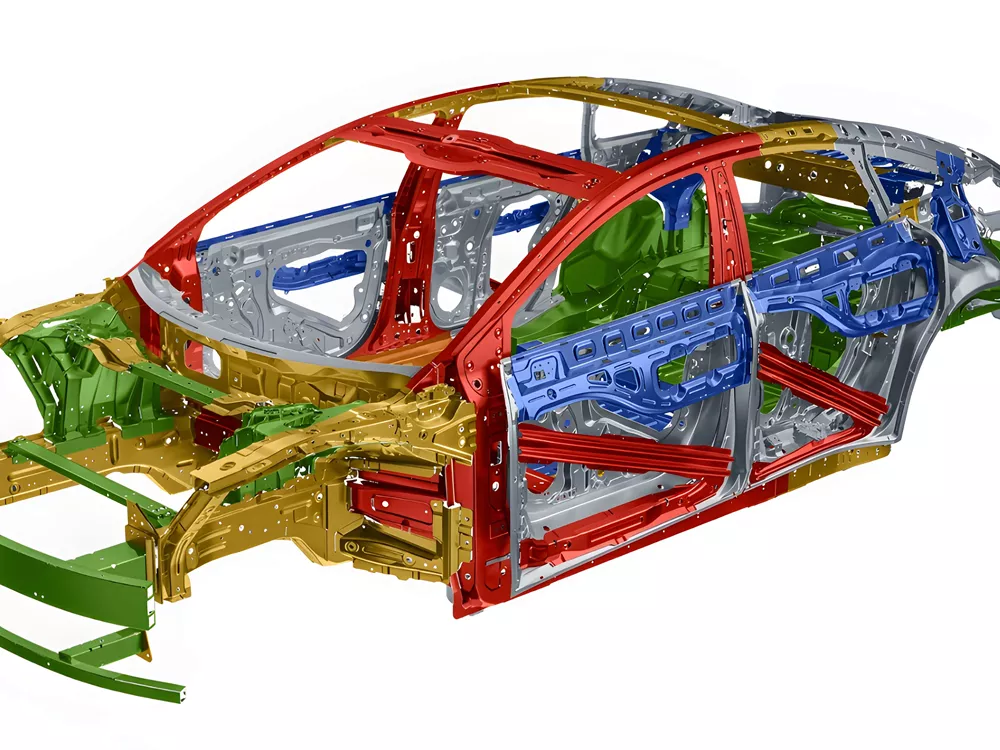
Our engineering team collaborated with the client to finalize a generatively designed, topology-optimized CAD model of the upright.
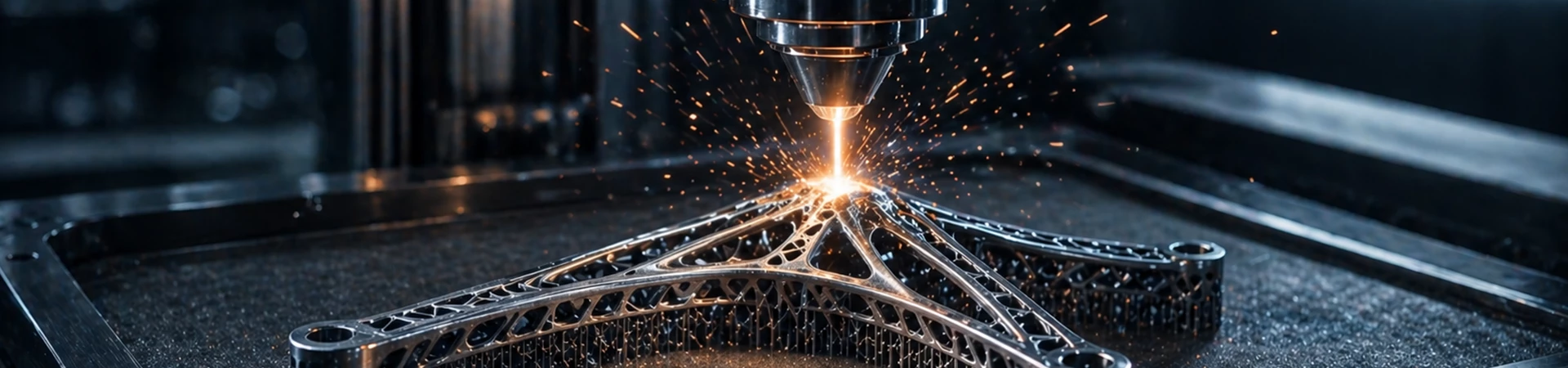
Primary Process: We utilized our SLM (Selective Laser Melting) technology to 3D print the complex, organic structure using Aluminum Alloy (AlSi10Mg). This allowed us to place material only exactly where stress paths required it, creating hollowed-out lattice sections impossible to achieve with traditional subtractive methods.
Post-Processing: To ensure the bearing press-fits and mounting points met aerospace-grade tolerances, our in-house 5-axis CNC Machining centers were used to fine-mill the critical contact surfaces of the printed part.
The Result
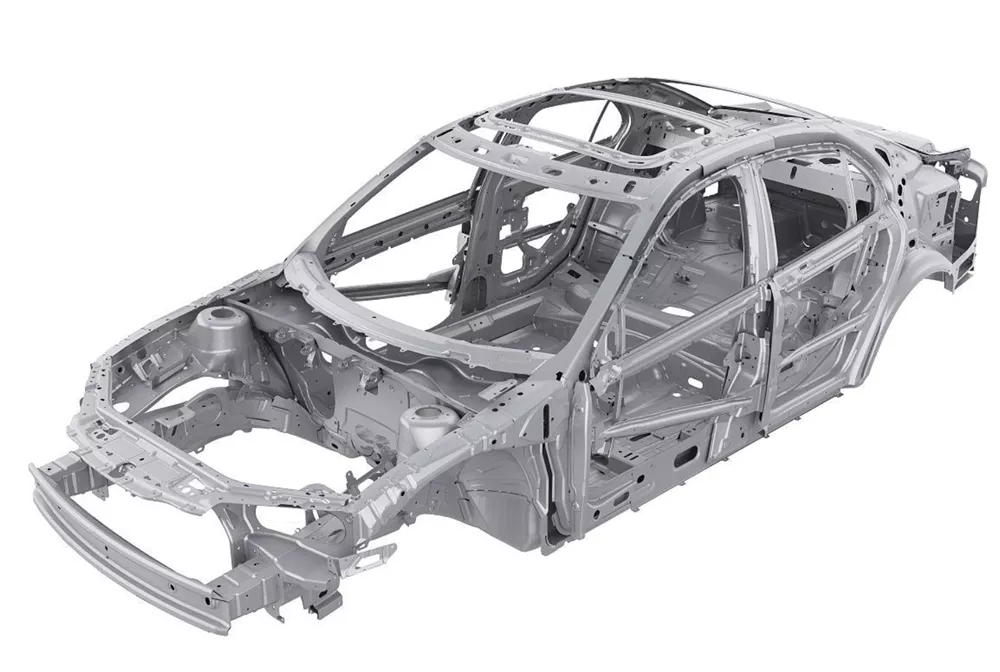
Weight Reduction: The final SLM printed upright was 40% lighter than the original CNC-milled version, without compromising fatigue strength or stiffness.
Extreme Speed: Leveraging our "No MOQ" policy and agile production, allowing them to begin track testing a week ahead of schedule.
Cost Savings: Zero tooling or mold costs were incurred, saving the startup tens of thousands of dollars in early-stage R&D.

 recommend
 2022-03-31