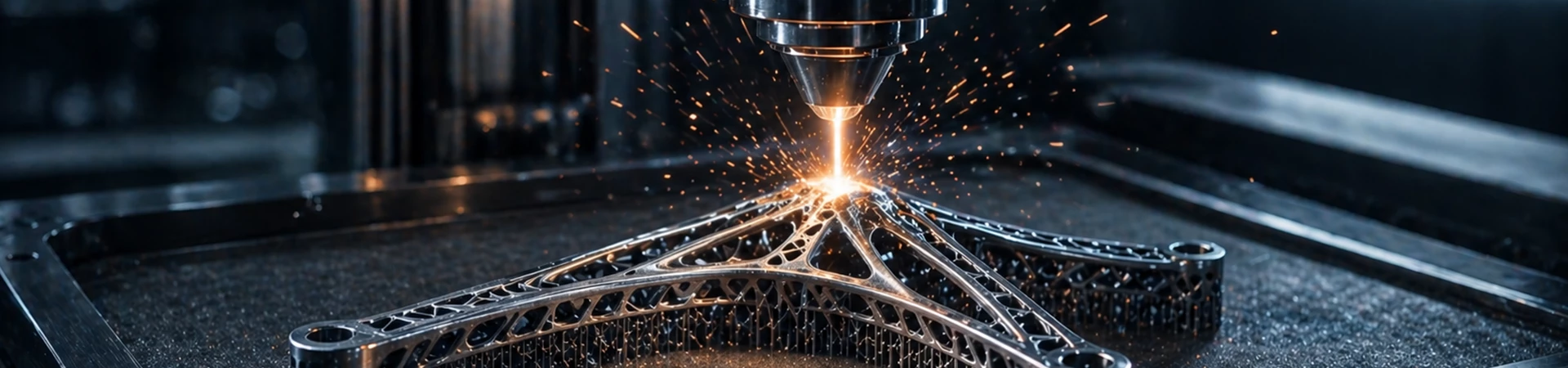
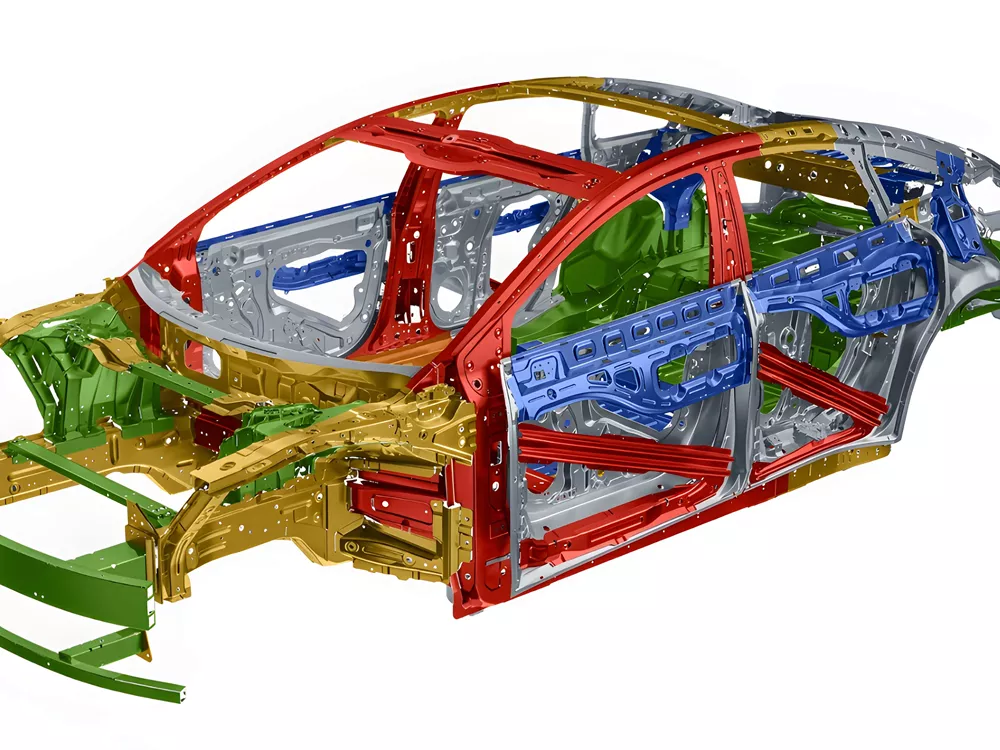
An electric performance vehicle startup was facing a critical engineering bottleneck. To achieve their target track times, they needed to drastically reduce the unsprung mass of their vehicle's front suspension assembly. The traditional CNC-machined billet aluminum uprights were too heavy and required excessive material waste. Furthermore, the engineering team had a strict two-week window for physical track testing, meaning waiting months for a specialized casting mold was out of the question.
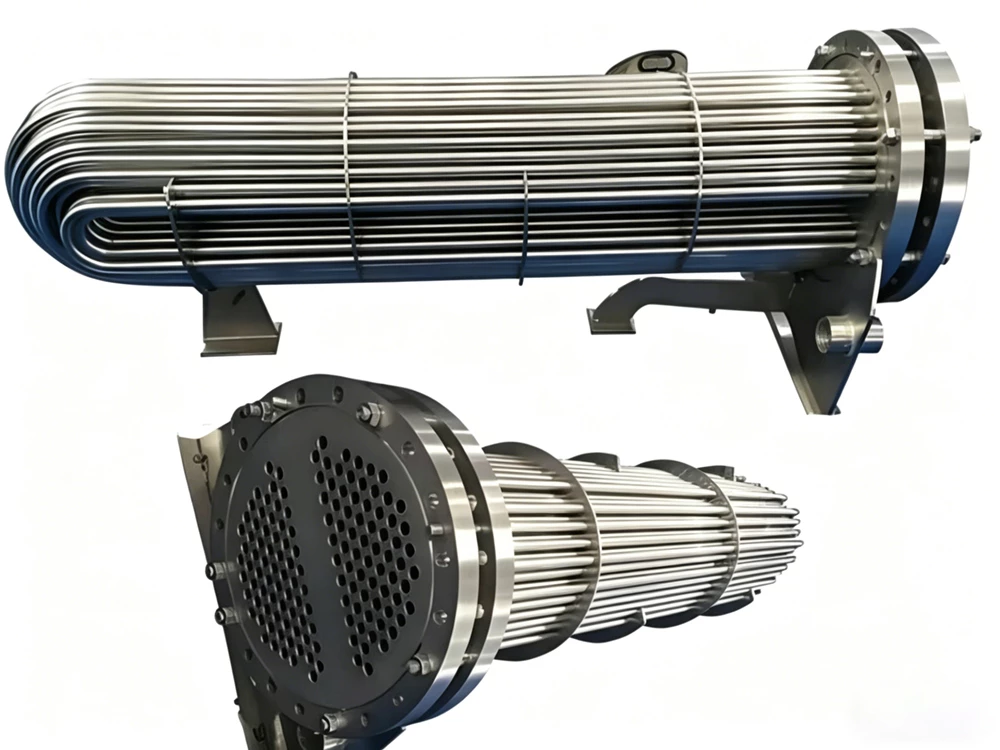
A major manufacturer of industrial packaging machinery was struggling with a bottleneck in their plastic injection molding line. They were producing a complex, thick-walled cylindrical component. Using traditional straight-drilled cooling lines inside the mold caused uneven heat dissipation. This resulted in long cooling cycles (over 45 seconds per part) and frequent part warpage upon ejection, leading to an unacceptably high defect rate.
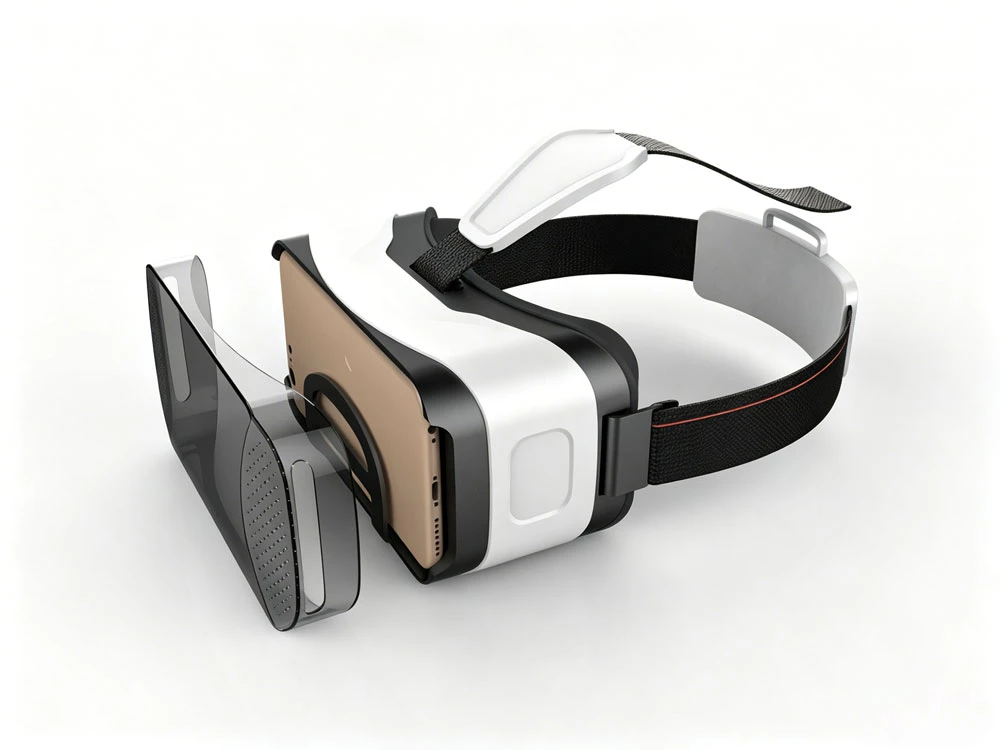
A consumer electronics company was in the late design stages of a next-generation Virtual Reality (VR) headset. Before committing over $30,000 to steel injection molds, they urgently needed five sets of highly accurate, fully functional physical prototypes. These prototypes had to be used for ergonomic user testing, internal component fitment, and a high-stakes pitch to investors. They required both structural flexibility for snap-fits and a flawless, showroom-ready surface finish.